

2022-08-17 15:44:32 Views:1451
Intractable dysuria has always been a big mountain in front of urologists and patients. Some patients present with frequent urination and urgency, or even urge incontinence, while some patients present with dysuria, unable to control urination voluntarily, which seriously affects the quality of life.
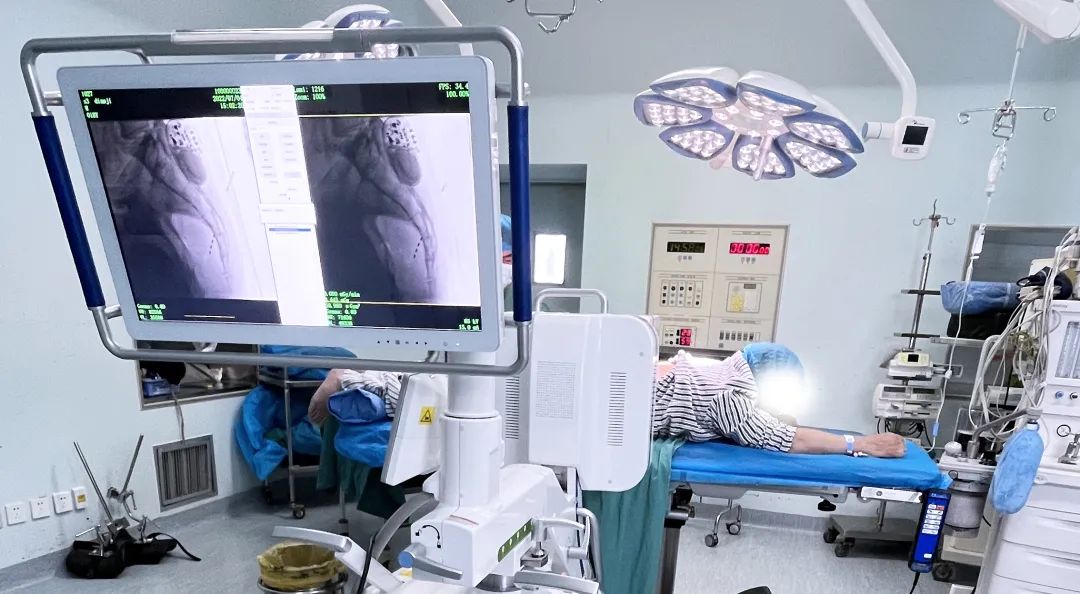
Recently, Director Wei Zhongqing of the Second Affiliated Hospital of Southern Medical University led his team to perform sacral neuromodulation surgery on a 59-year-old patient under the guidance of Puai Medical's large flat-panel integrated C-arm image, which has successfully improved the patient's many years of experience. Symptoms of frequent urination.
Case name: Sacral neuromodulation
Operating unit: The Second Affiliated Hospital of Nanjing Medical University
Patient age: 59 years old
Patient's gender: male
The patient was diagnosed with overactive bladder (OAB) two years ago and presented with symptoms such as severe urinary frequency, urgency, and fine lines in urine. The doctor performed sacral neuromodulation surgery for him. Recently, the patient's symptoms began to worsen again, and the quality of life was affected. In order to relieve symptoms and improve life, the patient went to the Second Affiliated Hospital of Southern Medical University for treatment. After examining the patient's condition, Director Wei Zhongqing and his team decided to readjust the electrode stimulation position, changing the stimulation point from the original left sacral 4 nerve foramen to the sacral 3 nerve foramen, and the symptoms were successfully improved through new neuromodulation.
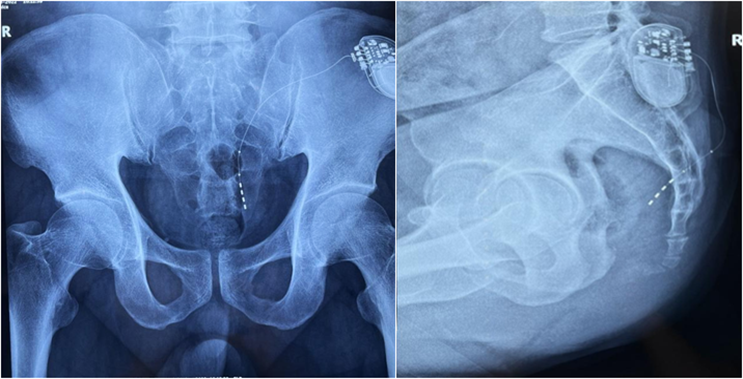
Preoperative imaging of the patient
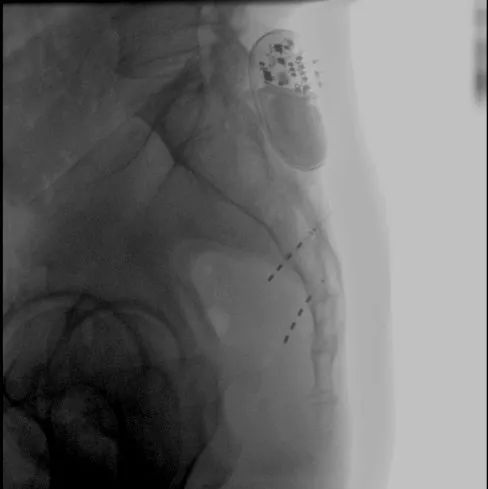
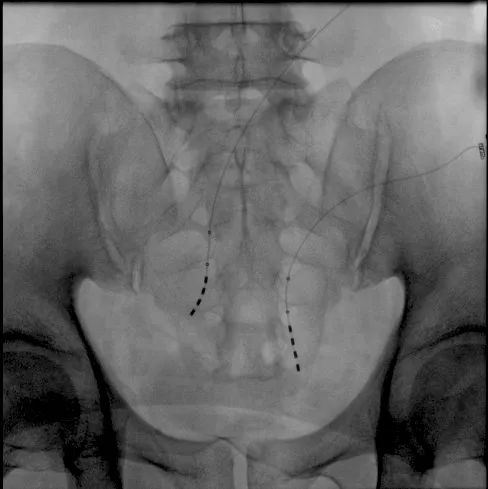
Intraoperative image of large flat-panel integrated C-arm
Overactive Bladder (OAB)
Overactive bladder (OAB) refers to a series of urinary abnormalities caused by involuntary contraction of the detrusor muscle (DO) during urination. The International Continence Society (ICS) defines OAB as:
Urgency, usually with increased daytime frequency and/or nocturia, with or without urinary incontinence (dry urine) in the absence of urinary tract infection or other detectable disease.
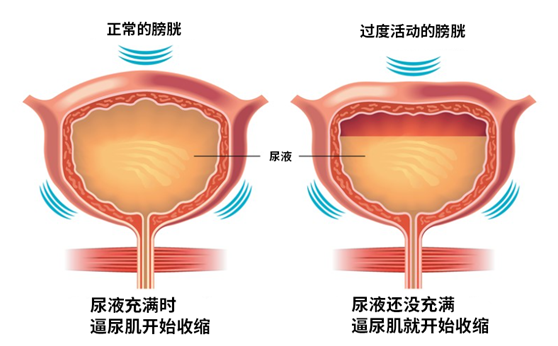
Depending on the cause and degree of OAB, behavior modification can be used, such as reducing caffeine intake and increasing pelvic floor muscle training; it can be drug therapy, such as taking antimuscarinic drugs including mirabegron, etc. . Severe OAB can also be treated with neuromodulation techniques such as percutaneous tibial nerve stimulation (PTNS) or sacral neuromodulation (SNM).
About Sacral Neuromodulation (SNM)
In sacral neuromodulation or sacral nerve stimulation (SNS), the physician first inserts electrodes into the sacral foramen 3 through a guide needle under the guidance of fluoroscopy, and stimulates the nerve fibers and inhibits the detrusor through the stimulation of pulse current. shrink. In this step, the doctor will first test and evaluate the patient's nerve stimulation response. If the stimulation effect is obvious, it means that the plan can meet the surgical expectations. Next, the doctor will implant a pulse current generator in the nearby subcutaneous fat and connect it to the electrode, so that this part can be stimulated for a long time in the future and improve the symptoms of OAB.
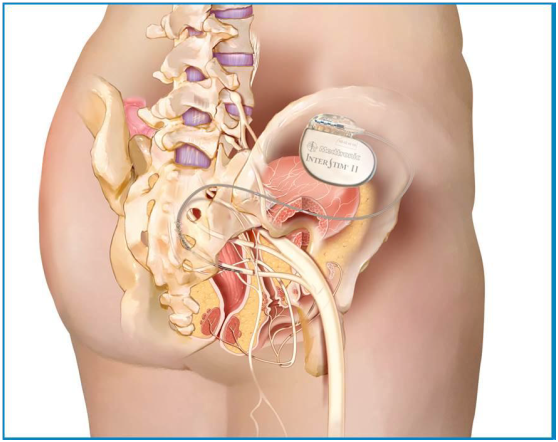
SNM technology is a minimally invasive treatment method with short operation time and patients only need to receive local anesthesia. The technique has now been proven effective in more than 40 studies. The vast majority of studies show that the use of SNM can successfully improve at least 50% of OAB symptoms3.
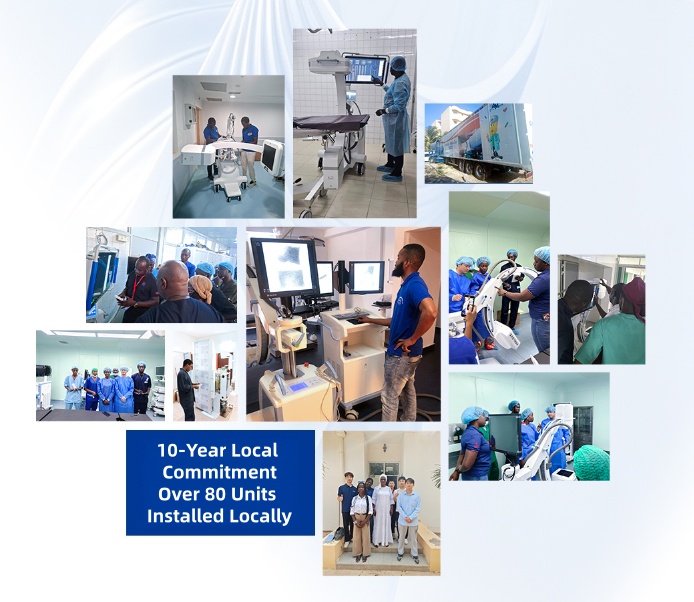
From Dakar to Kédougou: Perlove Medical Closes the Medical Imaging Gap in Senegal
Read More »Perlove Medical Showcases Intelligent Medical Imaging Solutions at 2026 Philippine International Medical Exhibition
Read More » Perlove Medical to Showcase Advanced Medical Imaging Solutions at PhilMedical Expo 2026
Read More »🌍 WHX Miami 2026 – Exhibition Wrap-Up
Read More »Perlove Medical to Exhibit at WHX Miami — See You in Miami!
Read More »A Decade of Dedication, Echoing in the Market Again | Perlove Medical’s C-arms Deployed in Three Major Regional Hospitals in Bangladesh
Read More »