

2025-09-12 10:16:46 Views:1598
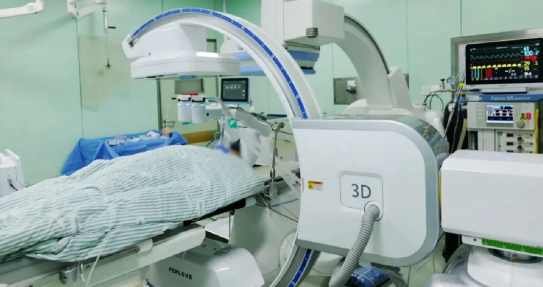
On August 29th, the team led by Professor Ly Tangfeng from the Department of Respiratory and Critical Care Medicine at the General Hospital of the Eastern Theater Command successfully performed a pulmonary nodule biopsy and cryoablation procedure under robot-assisted bronchoscopy navigation. This surgery combines robotic bronchoscope, cryoablation technology, and 3D C-arm (CBCT). By accessing the pulmonary lesions through the patient's natural airway, it has achieved a breakthrough in non-invasive approach and precise treatment. This innovation offers patients with pulmonary nodules a novel treatment option that is ultra-minimally invasive and allows for rapid recovery.

The patient is a male in his 70s with poor baseline physical condition and concomitant diseases such as liver cirrhosis, rendering him unable to tolerate conventional surgical resection.
Preoperative Preparation
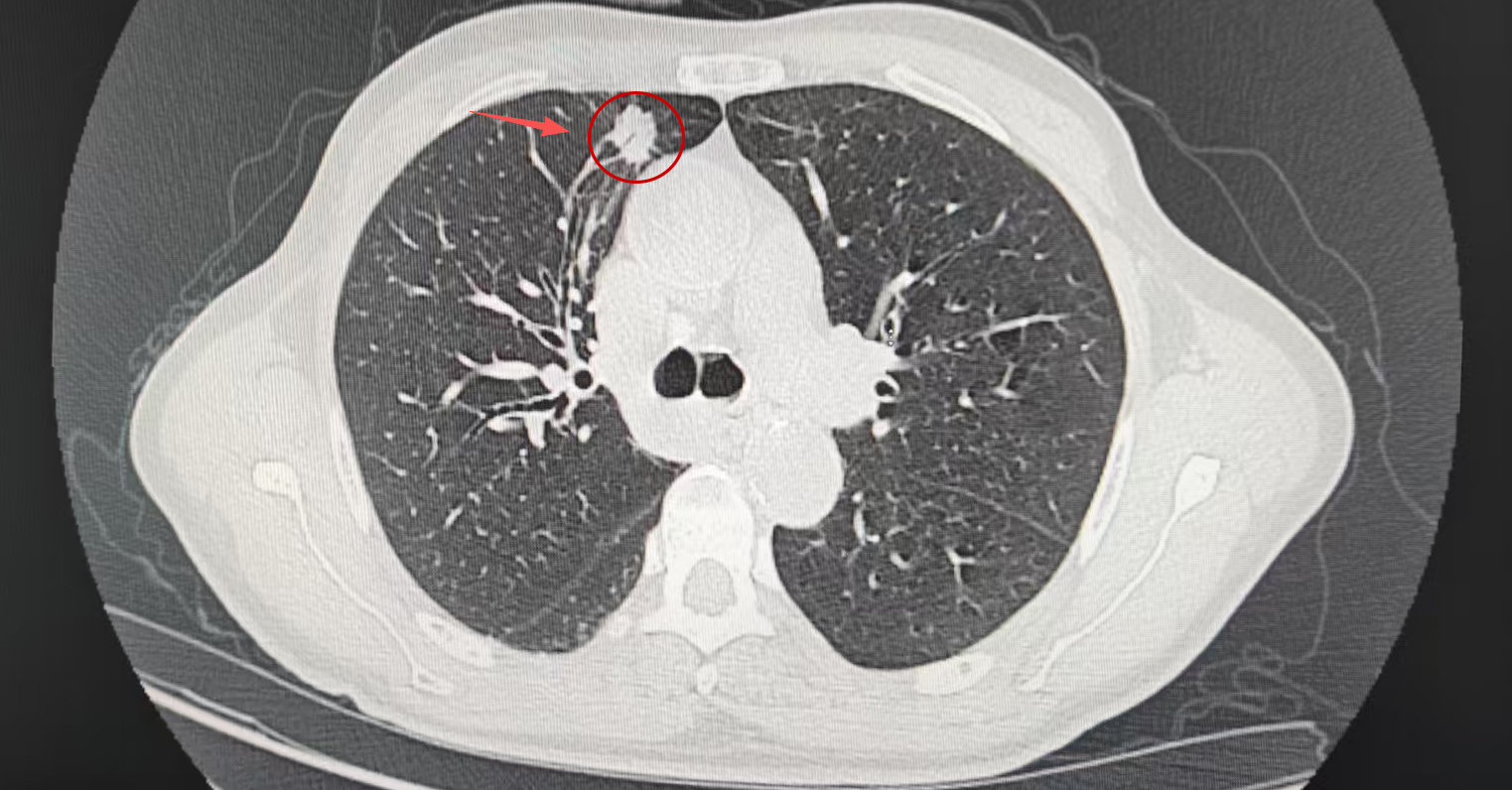
Patient's Preoperative CT Scan
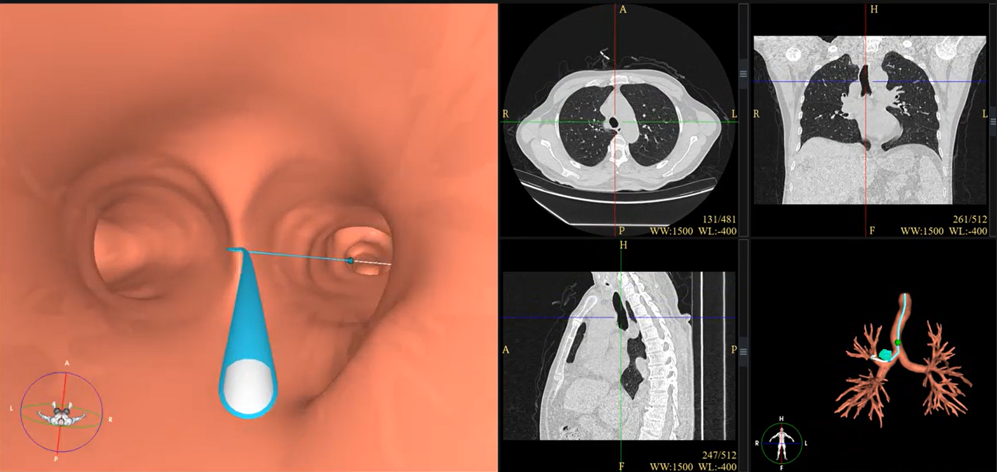
Robotic Bronchoscopy System Completes Path Planning
Intraoperative Operation
Under navigation guidance, the target lesion was approached, and catheter placement was preliminarily confirmed within the lesion area.
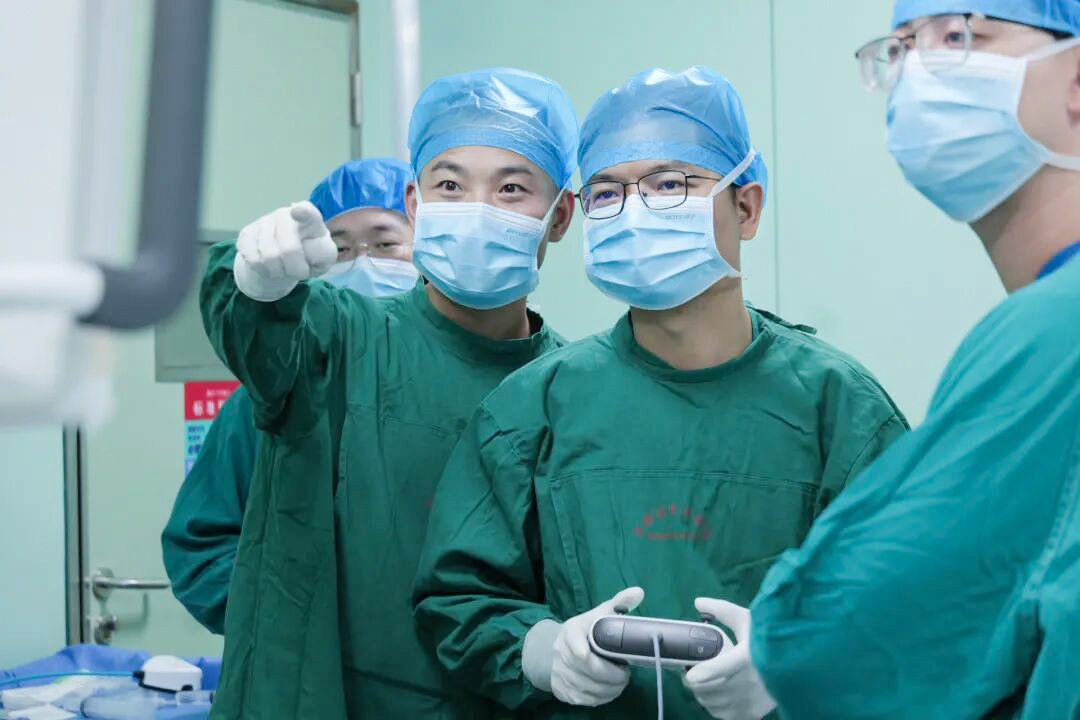
The catheter position was confirmed to be central within the lesion, initially with ultrasound and subsequently verified with a 3D C-arm (CBCT) system from Perlove Medical.
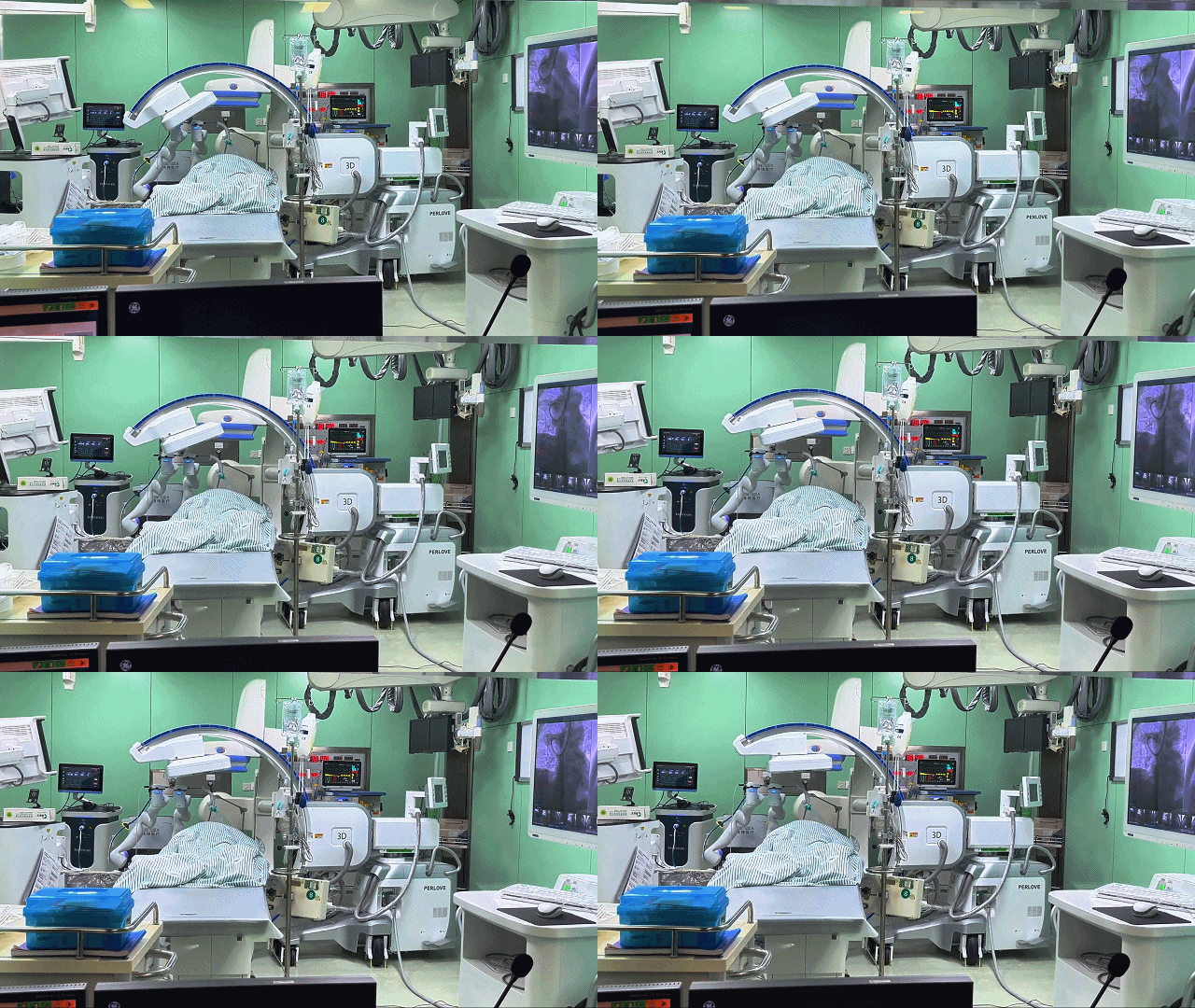
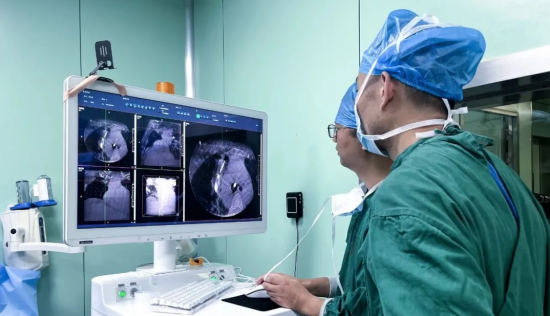
Confirmation of catheter position by 3D C-Arm (CBCT)
Following the precise biopsy of the pulmonary nodule, rapid pathological analysis indicated pulmonary adenocarcinoma, prompting immediate cryoablation therapy. During the freezing cycle, the probe achieved a minimum temperature of -150°C, generating an ice ball approximately 3 cm in diameter. Three complete freeze-thaw cycles were performed to ensure complete tumor ablation.
The entire procedure was successfully completed, and the patient recovered well after surgery.
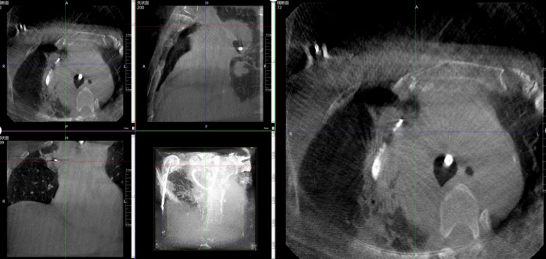
3D C-Arm (CBCT) Confirmation of Complete Ablation
The bronchoscopic robotic system deeply integrates 3D C-Arm (CBCT) and radial-endobronchial ultrasound (R-EBUS) for precise navigation. Combined with stable catheter positioning and fully visualized biopsy procedures, real-time localization error is ≤5 mm, and the biopsy success rate exceeds 90%.
Furthermore, by integrating intraoperative rapid on-site evaluation (ROSE) and ablation therapy, the platform provides a novel minimally invasive treatment option for elderly high-risk patients with lung cancer. This advancement facilitates the broader adoption of early lung cancer diagnosis and treatment, demonstrating the significant clinical value of precision medicine.
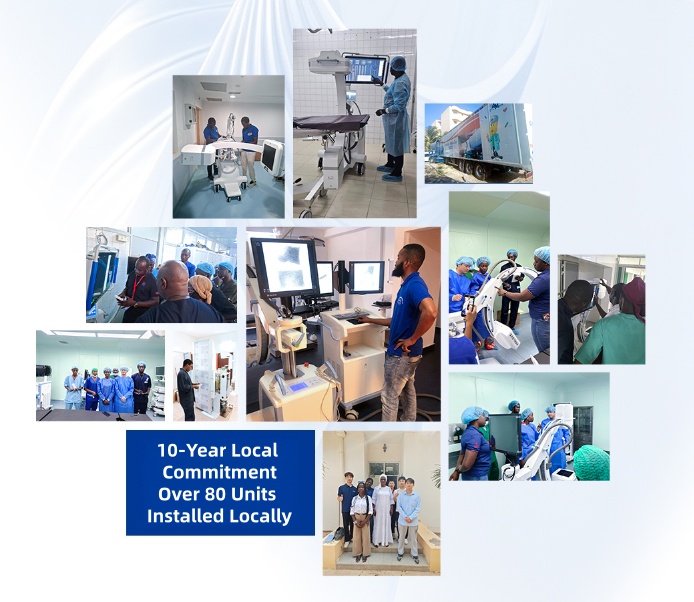
From Dakar to Kédougou: Perlove Medical Closes the Medical Imaging Gap in Senegal
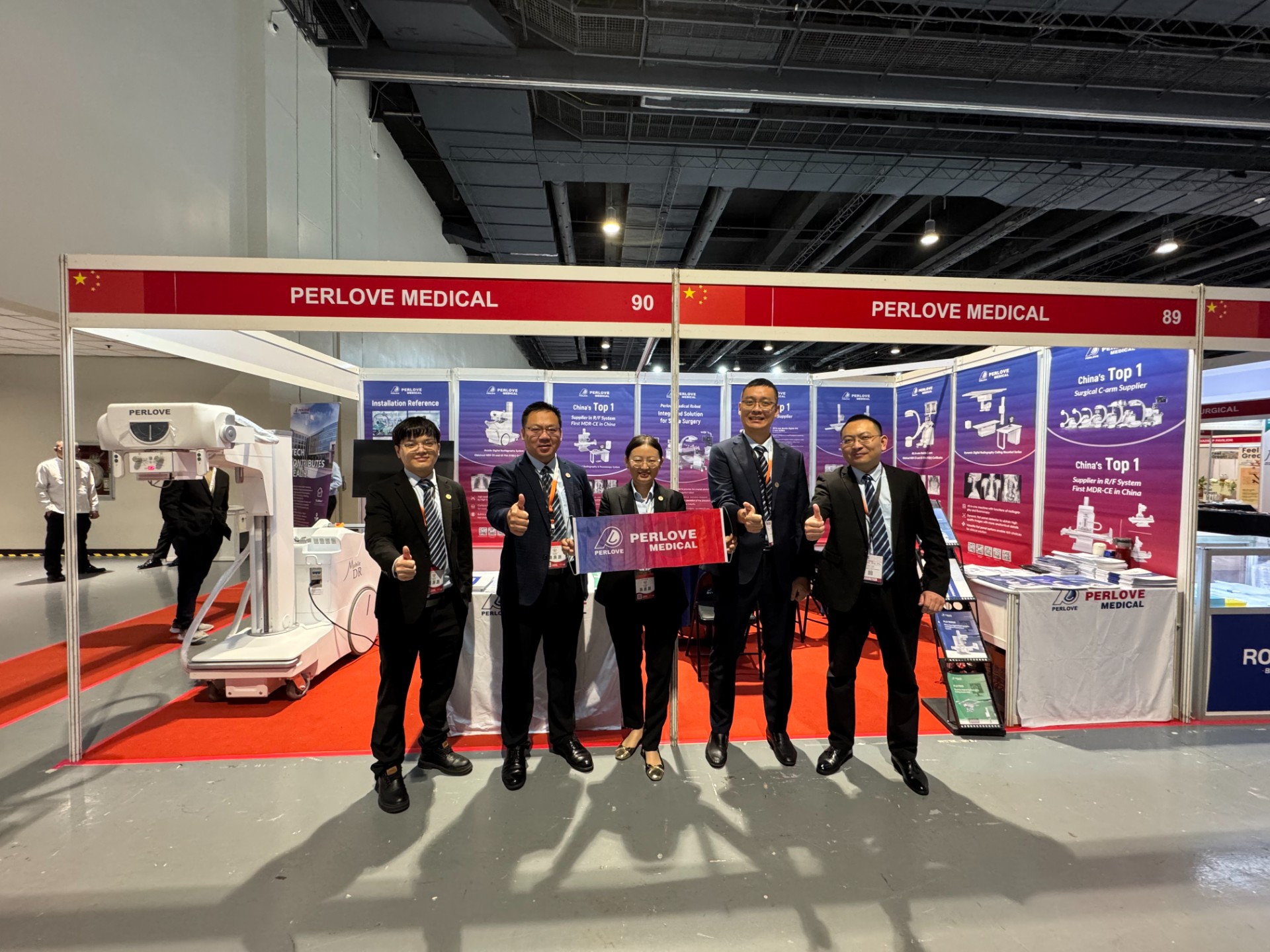
Read More »Perlove Medical Showcases Intelligent Medical Imaging Solutions at 2026 Philippine International Medical Exhibition
Read More » Perlove Medical to Showcase Advanced Medical Imaging Solutions at PhilMedical Expo 2026
Read More »🌍 WHX Miami 2026 – Exhibition Wrap-Up
Read More »Perlove Medical to Exhibit at WHX Miami — See You in Miami!
Read More »A Decade of Dedication, Echoing in the Market Again | Perlove Medical’s C-arms Deployed in Three Major Regional Hospitals in Bangladesh
Read More »